 David Henderson
Key Takeaways
- GE microwave repair cost starts from $89 for the diagnostic visit, and the final figure is confirmed on site with a written estimate.
- A thermal sensor, a door switch, a control board and a magnetron are each priced after diagnosis.
- An over-the-range mounting adds labor because the unit has to come down off its bracket and be re-seated level.
- PF, SENSOR and a damp-touchpad F3 are the lowest-cost outcomes and often need no part.
- A magnetron failure on a microwave past about eight years is where replacing starts to make sense.
The Bottom Line
Expect the part and the mounting to decide a GE microwave repair, and ask for the vent fan to be checked while the unit is down. The final price is confirmed after on-site diagnosis, with a written estimate before work begins.
Microwave repairs are the odd ones out in a kitchen. The part that fails is rarely expensive, but the unit is often bolted above the range, so the bill is part parts, part labor and part the work of getting a heavy appliance off the wall. This guide sets out what a GE microwave repair is likely to cost, what pushes the figure up, and where the sensible stopping point is.
| Repair | What you notice | Starting point |
|---|---|---|
| Diagnostic visit | Any code, or no heat | from $89 |
| Thermal sensor (F1, F2) | Stops mid-cycle, code on the display | Priced after diagnosis |
| Door switch or latch | Will not start, or stops when the door moves | Priced after diagnosis |
| Main control board | Dead display, odd behavior, board codes | Priced after diagnosis |
| Touchpad or humidity sensor (F3, F5, F7) | Keys ignored, sensor cooking fails | Priced after diagnosis |
| Magnetron | Light and turntable work, food stays cold | Priced after diagnosis |
How Much Does GE Microwave Repair Cost?
GE microwave repair cost starts from $89 for the diagnostic visit, and the site's microwave repair page puts GE microwave repairs from $109. Which part failed decides where your bill lands, whether a temperature sensor, a door switch or latch, or a main control board. The figure for your microwave is confirmed on site after diagnosis, with a written estimate before any part is ordered.
Two repairs are not given a number here on purpose. A touchpad or humidity sensor depends heavily on the model, and a magnetron is a high-voltage job that a technician prices only after confirming it is the part that failed. Anyone quoting a flat figure for either without seeing the microwave is guessing.
The numbers also say what a repair is not. A repair figure is not on its own a reason to replace a sound microwave, and it may not include the extra labor of an over-the-range mounting, which is covered further down. Read the written estimate for the part, the labor and any mounting charge as three separate lines.
What Moves the Price of a GE Microwave Repair
Four things decide where in the range your bill lands, and the part is only one of them.
- Which part failed. A sensor or a switch is a modest part; a control board or a magnetron is not.
- Mounting. An over-the-range unit has to come down off its bracket and out from under the cabinet, which is more labor than a countertop model that simply lifts away.
- Model line. GE also makes speed-oven and Advantium products that sit in a built-in opening, and their parts are not interchangeable with a standard unit.
- Whether it is one fault or two. A code can hide a second problem, and fixing both in one visit costs less than two calls.
What the Diagnostic Visit Covers
The visit exists to turn a symptom into a named part before any money is spent on one. For a microwave that usually means a short, ordered routine, and knowing it helps you see what the first fee buys.
- Reading the display. The technician notes the code, then checks whether it appears on power-up or only during a cook cycle, because that separates a sensor from a key.
- Testing the door circuit. The switches and latch are checked, since a door that does not register can mimic a dead microwave.
- Checking the heating path. Whether food heats, and whether the light and turntable behave normally, tells a magnetron fault from a control fault.
- Looking at the vent and filters. On an over-the-range model the fan and grease filter are inspected, because grease reaches the control panel eventually.
Once the part is named, you get the written estimate and decide. Nothing is ordered before you agree to it, so the diagnostic is the cheapest way to find out whether you are on the sensible side of the table.
Does an Over-the-Range Mounting Change the Bill?
Yes, it usually adds labor, because most GE microwaves are over-the-range units that also act as the kitchen hood. Taking one down means supporting a heavy appliance while its bracket and vent connection are released, and putting it back means re-seating it level so the vent lines up.
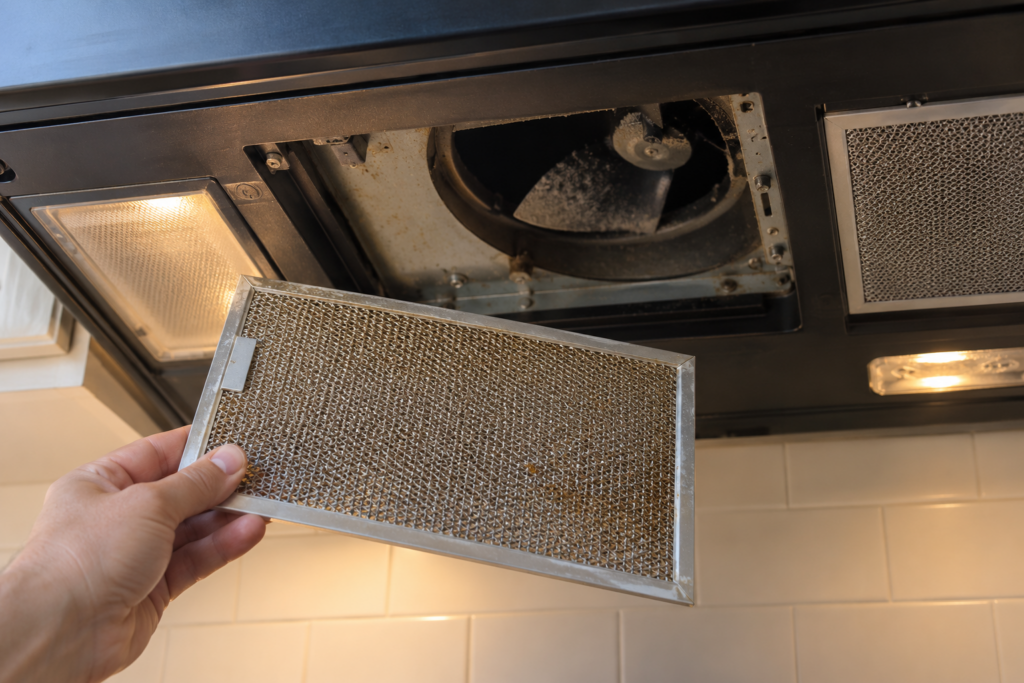
That same position is why a vent fan is worth treating as part of the repair. The fan can weaken while the microwave still heats perfectly, and then the kitchen slowly gets greasier. If a technician is already taking the unit down for another fault, ask for the fan and the grease filter to be checked in the same visit.
Which GE Microwave Faults Cost the Least?
The cheapest outcomes are the ones that need no part at all. Several GE microwave codes are warnings or one-time faults, and a reset clears them.
- PF. This only reports a power interruption; clear it and carry on. The PF page explains it.
- SENSOR. A sensor-cook calibration message that is a simple fix or reminder, covered on the SENSOR page.
- A damp touchpad. A one-time F3 can come from moisture and clear after a 60-second unplug; see the GE microwave F3 guide.
- A sensor-only fault. F5 stops Sensor Cook and Auto Reheat, but manual timed cooking is generally safe, so you are not forced to rush into a repair.
By contrast, F1 and F2 mean the cavity thermal sensor is open or shorted, and the F1 page says not to use the microwave until it is tested. That repair is worth doing because the control cannot protect the cavity without the sensor.
When Does the Cost Tip Toward Replacing?
It tips when the repair is a magnetron on a microwave past about eight years, which is the point our GE microwave repair or replace guide uses. Cold food with the light, turntable and timer all working normally is the classic magnetron signature, and a magnetron should only ever be handled by a technician because of the stored charge behind it. On a younger unit, or one with a failed sensor, switch or board, repair is normally the better value.
Two more checks decide it. If the microwave has already had one repair this year, a second raises the odds of a third. And if a manufacturer notice covers the model, read the GE microwave recall guide first, since a notice can change what you should pay for.
Before You Book a Microwave Repair
Write down the model number from the label inside the door frame and what the microwave does with a cup of water: heats, does not heat, or stops. With those two facts a technician can usually say which line of the table you are on before arriving. Microwave repair covers sensors, switches, boards and magnetrons, and the wider GE error code repair cost guide shows the bands behind the table above. Schedule a visit or contact us with the code and the model.