 David Henderson
Key Takeaways
- Check a GE dishwasher recall with the model and serial number from the label, never with the model name alone.
- A notice names the hazard, the models and dates covered, the remedy and any interim advice; read all four parts.
- A fault code such as 999, C4 or C7 is a repair question, not evidence of a recall.
- Until a remedy arrives, run the dishwasher only while you are home and know where the supply shut-off is.
- The label prefix, such as PDT, CDT, GDT or HDA, tells you which range a notice has to cover.
The Bottom Line
Read the label, compare it with the official list and treat a fault code as a repair question, not a recall. We do not summarize individual notices; a repair price is confirmed after diagnosis, with a written estimate before work begins.
People search for a dishwasher recall for two different reasons. Some have just seen a news item and want to know if their machine is named in it. Others have a dishwasher that leaked, tripped a breaker or showed a worrying code and want to know whether it is a known defect. Both questions have the same first step, which is the label on the machine, and neither is answered by a model name alone.
| Where to look | What you find | Why it matters |
|---|---|---|
| The label on the dishwasher | Model and serial number | Notices apply to model ranges and build dates |
| The receipt or owner's manual | Purchase date and model | Backs up a worn or unreadable label |
| The official recall list | Notices by product, model and date | The only dependable source of a recall |
| The notice itself | Hazard, scope and remedy | Tells you whether to stop using the machine |
How Do You Check a GE Dishwasher Recall?
Read the model and serial number from the machine's label, then compare them with the manufacturer's recall information and with the official government recall list for consumer products. Write both numbers down exactly. A single character changes the result, and two dishwashers with the same marketing name can sit on opposite sides of a notice if they were built at different times.
The label is often inside the door frame or along the tub edge on many models, so check your owner's manual for the exact spot, then open the door and look around the opening, and check the side of the door panel if the first look finds nothing. A photograph taken in good light is better than reading the numbers aloud to yourself, and it gives you something to keep with the purchase papers. If you rent, or the machine came with the house, pass the numbers on to the landlord or the previous owner as well, so that whoever is responsible for the machine can run the same check. We do not summarize individual notices on this site, because the notice is the authority and it is revised; this guide is about how to check, not about any one campaign.
What a Recall Notice Contains
A notice names four things, and reading all four is worth more than reading the headline.
- The hazard. What can go wrong, in the manufacturer's or regulator's own words.
- The scope. Which models are covered and which build dates fall inside the range.
- The remedy. Normally a repair, a part or a refund, and normally no cost to you.
- The interim advice. Whether you should stop using the dishwasher until the remedy is done.
Keep a dated copy of what you find, as a screenshot or printout. If the remedy needs an appointment, a record of what you checked and when saves an argument later.
Is It a Recall or a Fault?
Most dishwasher problems are faults, not recalls, and the difference changes who pays and who fixes it. A recall is a defect in a model range, with a remedy from the manufacturer. A fault is a single machine wearing out or failing, and it is a repair. Three codes on this site are treated as stop-use faults, and none of them is evidence of a recall.
- 999. Water has been detected in the base pan, a critical fault that says to stop using the dishwasher; see the 999 page.
- C4. The dishwasher has overfilled, and the C4 page says to stop using it and have it checked.
- C7. The temperature sensor circuit has failed, so the control cannot regulate the heater; the C7 page says not to use it until repaired.
If one of these appears and your model also turns out to be on a notice, follow the notice and still tell us what the display showed.
What to Do Until a Remedy Arrives
If the notice says stop, stop. If it does not, let the hazard decide how careful to be. A dishwasher with an open notice should not run when nobody is home or while everyone is asleep, because the cost of a problem is highest when nobody sees it start.
- Run it while you are home. Check the floor around the base after each cycle.
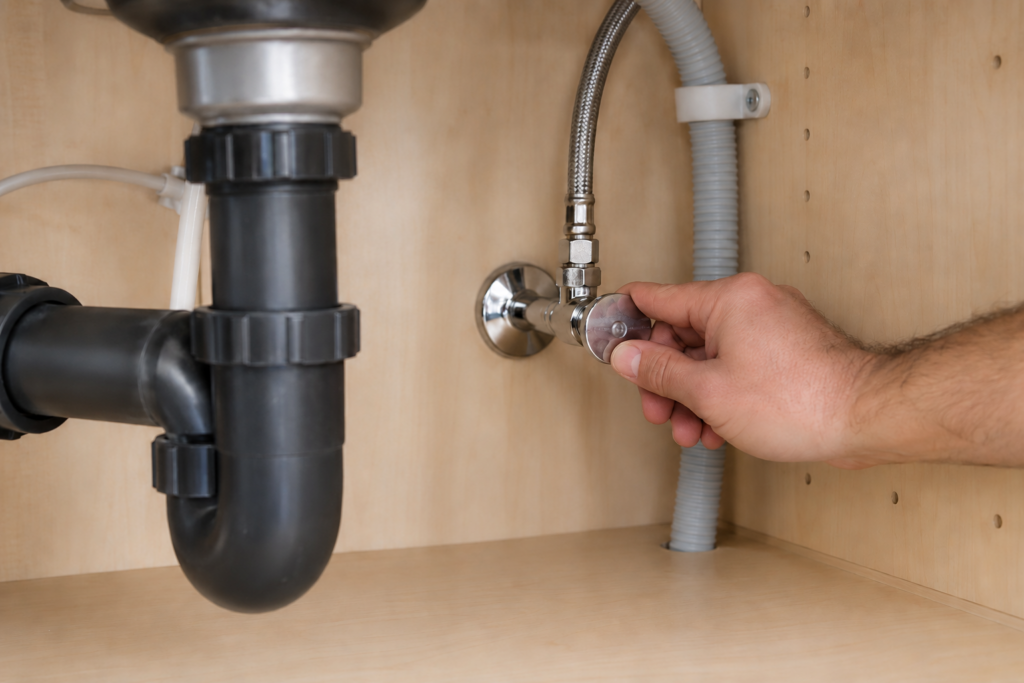
- Know the shut-off. Find the supply valve under the sink so you can close it in seconds.
- Stop at any smell. A burning or electrical smell means switch off the breaker and do not restart it.
- Ask for the advice in writing. If the remedy part is on order, get the interim instruction in writing.
Does a Profile or Cafe Model Change the Check?
No, the method is the same, but the label tells you which range you are checking. The site's PF code page lists the prefixes: Profile is PDT or GDP, Cafe is CDT, standard GE is GDT or GDF and Hotpoint is HDA. A notice written for one range does not automatically cover another, so read the model list in the notice against your own label, not against the line name.
The same goes for a machine you inherited with a house or bought second-hand. The label is the only record of what it is, and a notice may be measured against the build date, which many serial numbers carry; your owner's manual explains how to read yours. If the label has worn away, the original manual or the installer's paperwork is the fallback.
Keeping a Record of What You Checked
A five-minute check is only worth doing once if you keep the result. Appliances change hands, get reinstalled after a kitchen remodel and outlive the emails that came with them, and the next person to ask the question will not have your memory of it.
- Photograph the label. Keep the picture with the receipt, where the next check starts in seconds.
- Note the date and source. Record when you checked and where, because notices are revised.
- Save any remedy reference. If a notice applies, keep the case or reference number it gives you.
Check again if you buy a second-hand machine, after a long gap or when a new item appears in the news. If a notice does apply to you, do not try to repair the named defect yourself; the remedy is the manufacturer's to supply, and a home repair can complicate it. A clean result today is a result for today; it is not a promise about next year.
Where a Repair Visit Fits
A recall remedy comes from the manufacturer, so start there. A visit from us covers the faults a notice does not: a leak, an overfill, a failed sensor, or a machine that will not drain. Our GE dishwasher safety guide covers the everyday risks, and the GE appliance recall checklist applies the same method to the rest of the kitchen. If you have already checked and want to know what to do before calling anyone, the recall alert guide covers it.
The price of a repair is confirmed on site after diagnosis, with a written estimate before work begins. Dishwasher repair covers every fault named above, and you can schedule a visit or contact us with the model number and what the dishwasher did.